
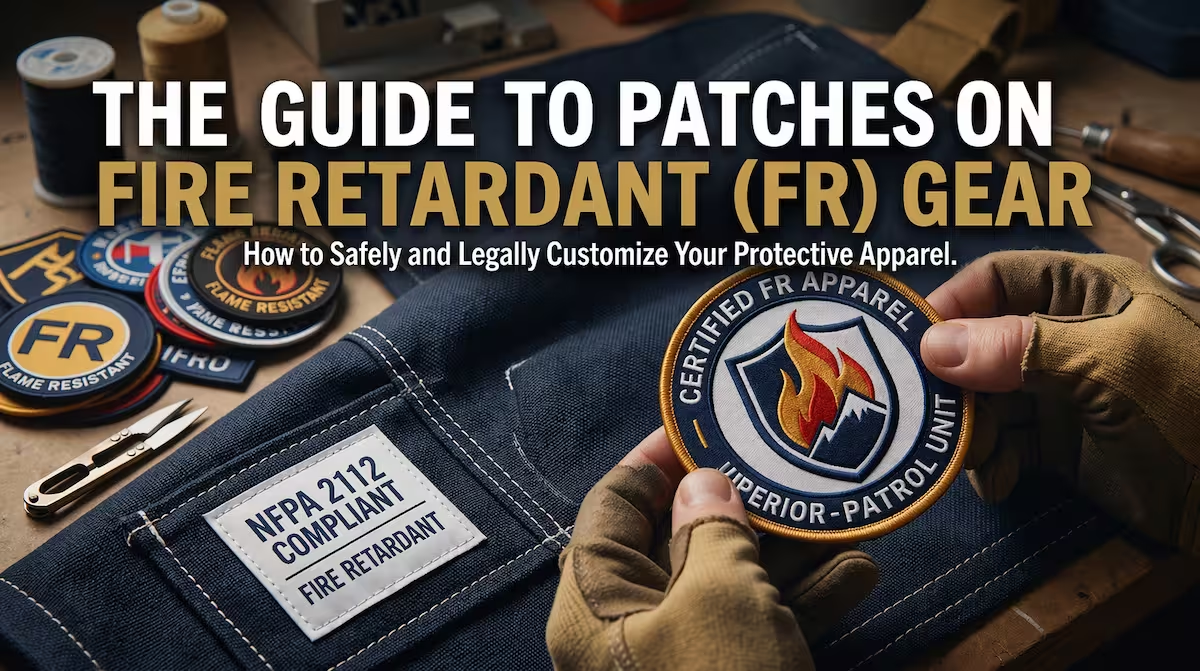
the guide to patches on fire retardant (fr) gear.
when you buy a fire retardant shirt or jacket, you are paying for safety. these clothes are built to stop burns and save lives. but many companies make a huge mistake when they add their oil and gas patches to this gear. putting a patch on a fire retardant jacket is not like putting a patch on a normal cotton uniform or a baseball cap. if you attach the patch the wrong way, you will completely ruin the clothing. the shirt will no longer protect the worker from fire.
in this guide, we will explain exactly why certain items in our patch backing guide are dangerous for fire retardant clothing. we will also show you the correct, safe ways to attach your company patches so your team stays protected on the job.
the danger of iron-on patches.
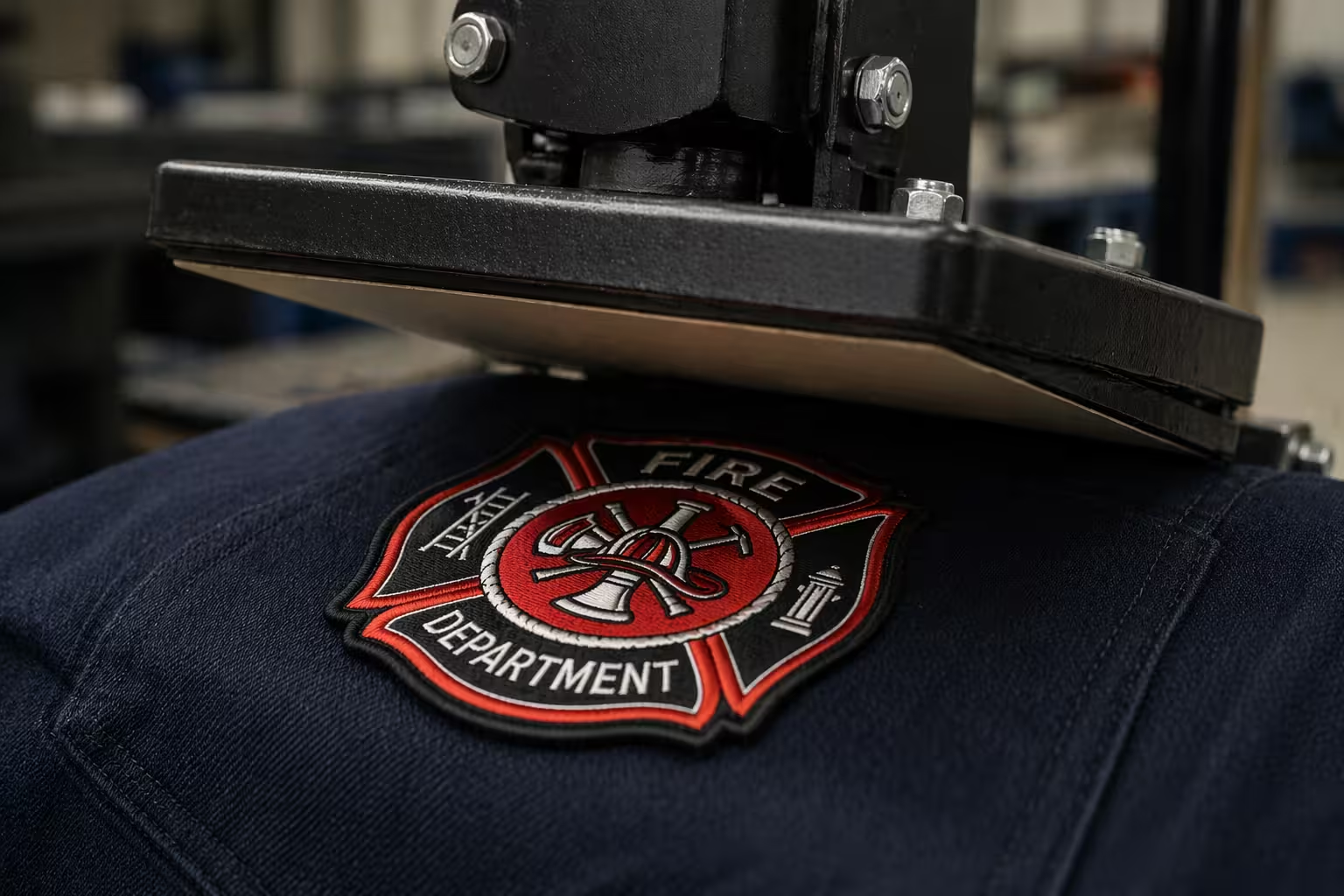
the biggest mistake you can make with fire retardant clothing is using an iron-on patch. iron-on patches have a layer of solid glue on the back, which is a primary reason why cheap iron-on patches peel off when exposed to high heat. to make that glue stick to a shirt, you have to melt it using a commercial heat press machine. these machines get incredibly hot, usually pressing down at around 320 degrees. that level of extreme heat is a massive problem for fire retardant gear.
most fire retardant clothing gets its protective power from a special chemical coating that is applied to the fabric at the factory. this coating is what stops the fabric from catching fire when exposed to sparks, flames, or electrical arcs. when you press a 320-degree metal plate onto that fabric to melt a patch glue, the extreme heat literally burns the protective chemicals right out of the fabric.
how to safely attach patches to fr clothing.
since you cannot use heat, you should utilize custom embroidered patches that can be physically bound to the fabric. you have to physically bind the patch to the fabric. there are two safe, reliable ways to do this without ruining the protective coating on your expensive gear.
sew-on patches with fire retardant thread.
sewing is the absolute best and most permanent method for adding patches to fire retardant clothing. a sewing machine uses a needle to pull thread through the patch and the jacket, locking them together without using any heat. however, there is a major rule you must follow: you cannot use normal sewing thread.
standard sewing thread is usually made of cotton or basic polyester. if a worker is exposed to a fire, standard cotton thread will instantly catch fire and burn. standard polyester thread will melt into a hot liquid plastic that drips onto the worker’s skin. both of these are terrible hazards.
to sew a patch safely, your seamstress must use a special fire retardant thread. the most common and trusted type is nomex® thread. this thread is built to resist extreme heat and flames. it will not melt, it will not drip, and it will not catch fire. by using a sew-on patch with fire retardant thread, the patch stays firmly on the jacket, and the worker stays completely safe.
velcro backing for easy removal.
the second safe method is using velcro, which is also known as hook and loop backing. this comes in two pieces. the rough “hook” side is sewn onto the back of your patch. the soft “loop” side is sewn directly onto the fire retardant jacket. just like the rule above, the soft loop piece must be sewn onto the jacket using fire retardant thread.
this method is incredibly useful for a few reasons. first, it allows workers to easily remove their patches before they walk into a highly dangerous area where extra loose items might be a hazard. second, it allows them to take the patches off before throwing the jacket into the washing machine, which helps the patch last longer. finally, if a worker leaves the company, you do not have to throw the expensive jacket away. you simply pull their name patch off the velcro and hand the jacket to the next person.
keeping your gear osha compliant.
you might hear a lot of confusing legal talk about safety rules and compliance. organizations like osha and the nfpa have strict guidelines for workplace safety clothing. we will keep this very simple for you. the basic rule of fire retardant clothing is this: nothing on the outside of the jacket can catch fire, and nothing can melt into the worker’s skin.
when a safety inspector looks at your team’s gear, they are checking to make sure you have not added anything dangerous to the safe clothing. if you use a cheap plastic patch that melts, you fail. if you use standard polyester thread that drips when it gets hot, you fail.
to stay compliant and avoid massive fines, every single piece you add to the uniform must be safe. this means the patch material itself, the thread used to attach it, and the backing behind it must not create a new hazard for the person wearing it. keep it simple: use safe thread, avoid heat presses, and do not use materials that melt.
factory advice: washing your fr gear with patches.
fire retardant clothing gets dirty fast. washing it correctly is highly important because the wrong laundry routine will destroy the protective chemicals just as fast as a heat press will.
always wash your fire retardant shirts and jackets in cold or warm water. use a mild, basic laundry soap. the most important rule of washing fire retardant gear is to never use bleach. bleach is a harsh chemical that strips the fire retardant coating right out of the fabric. if you wash a safety shirt with bleach, it will look clean, but it will no longer stop a fire.
you should also avoid fabric softeners, as they can leave a flammable coating on top of the clothing. if you followed our advice and used the sew-on method with strong thread, your custom patches will easily survive the washing machine. they will not fall off, and the edges will not peel.
frequently asked questions (faq).
can i use a home iron on a fr shirt?
no. you should never use a home iron to attach a patch to a fire retardant shirt. even though a home iron is smaller than a commercial heat press, the metal plate still gets incredibly hot. that heat is more than enough to burn away the protective chemical coating on your safety shirt. never iron a patch onto fire retardant gear, and try to avoid ironing the shirts to remove wrinkles unless the clothing tag specifically says it is safe to do so.
does the patch itself need to be fire retardant?
the main shirt or jacket does the heavy lifting when it comes to protecting the wearer. however, the patch itself should not create a new danger. if you use a cheap plastic patch, it will melt. by ordering patches that are made using fire retardant thread, like nomex®, you ensure that the patch will not melt or drip hot liquid onto the worker if they are exposed to a flash fire. the patch must be just as safe as the jacket it sits on.
will sewing a patch ruin the waterproof seal on my jacket?
yes. if your fire retardant jacket is also built to be waterproof, sewing a patch onto it will cause a problem. when the sewing needle goes through the jacket, it pokes hundreds of tiny holes in the waterproof layer. the next time the worker is in the rain, water will leak through those exact holes. if you must sew a patch onto a waterproof jacket, you will need to use a special seam-sealing tape on the inside of the jacket behind the patch to block the holes. the better option is to order waterproof jackets with velcro loop panels built-in, specifically for our PVC patches which naturally repel moisture. so you can just press your patch right on without poking any new holes.