
why cheap iron-on patches peel off in the summer heat.
we have all seen it happen. you buy a custom patch, follow the instructions perfectly, and iron it onto your favorite jacket or custom workwear shirt. at first, it looks great. the patch sits flat, and it feels secure. but a few days later, you notice the corners starting to curl up. within a week, the entire patch is peeling off, leaving a sticky, ugly mess behind on your clothing.
this happens a lot, especially when the weather gets hot. it is incredibly frustrating to ruin a good shirt or lose a patch you paid for. but why does this happen? the answer usually comes down to the cheap materials used to make the patch. in this guide, we are going to explain exactly why cheap iron-on patches fail in the heat, how weather and washing machines ruin them, and what you can do to stop your patches from ever falling off again.
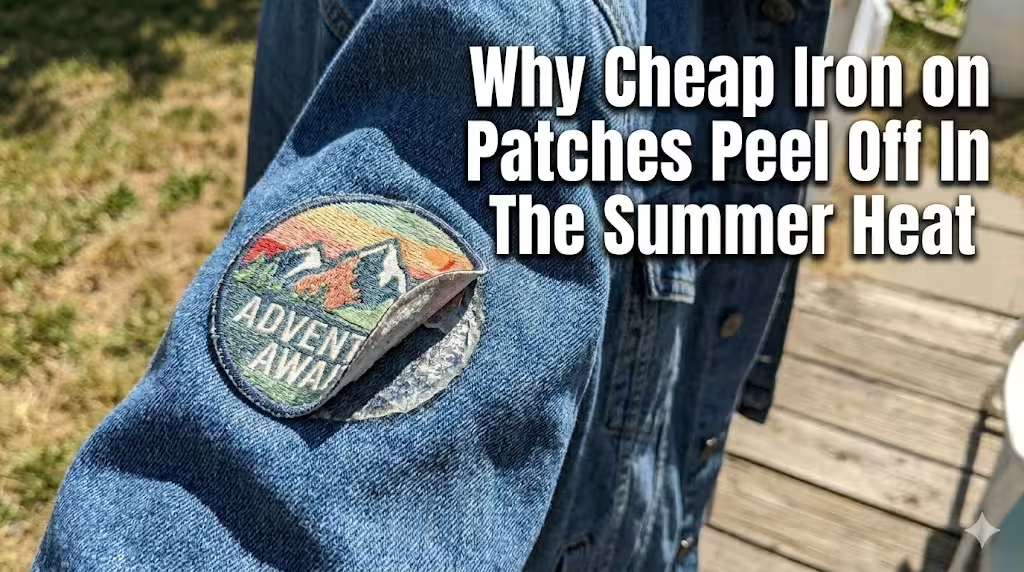
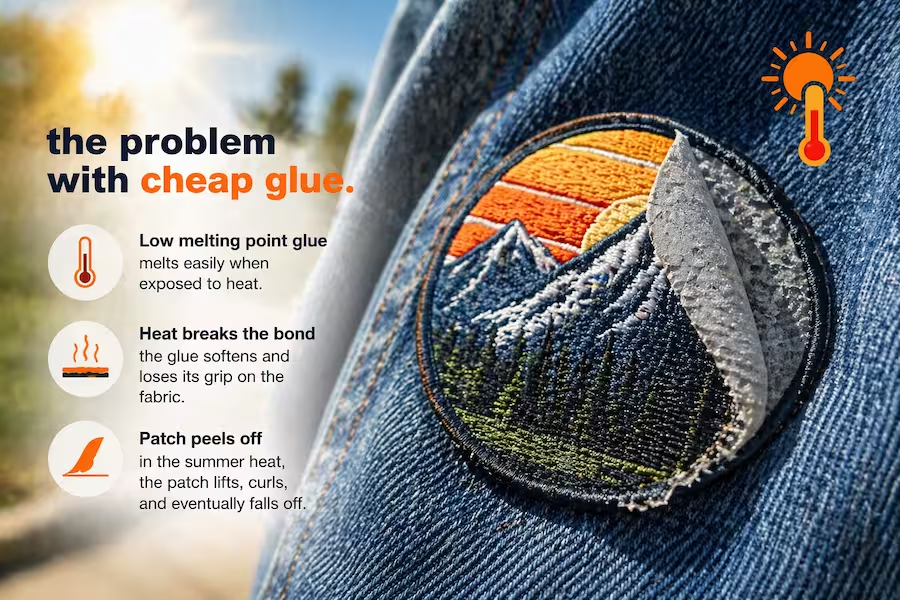
the problem with cheap glue.
to understand why a patch falls off, you first need to understand how an iron-on patch actually works by reviewing our patch backing guide. when you buy an iron-on patch, you will notice a smooth, shiny layer on the back. this is a layer of dry, solid glue.
when you place the patch on your clothing and press a hot iron over it, the heat from the iron melts that solid glue. the glue turns into a hot liquid and sinks deep into the threads of your shirt or jacket. when you take the iron away and the patch cools down, the liquid glue hardens again. this creates a bond that holds the patch firmly to the fabric.
the entire system relies on heat. but this is exactly where cheap patches fail. to save money, many companies use low-quality glue on the back of their patches. this cheap glue has a very low melting point. that means it does not take a lot of heat to turn it from a solid back into a soft liquid. when you are ironing it on at home, a low melting point seems like a good thing because it sticks quickly. but once you take that patch out into the real world, that low melting point becomes a massive problem. if the glue melts easily under your iron, it will also melt easily when exposed to everyday heat.

what happens in a hot car.
think about the real-world physics of a hot summer day. if you live in a place with hot summers, you know how quickly the temperature can rise. now, imagine what happens when you leave your jacket or work shirt inside a parked car. on a sunny afternoon, the temperature inside a closed car with the windows rolled up can easily reach 130 to 150 degrees in just a few hours.
if the glue on your cheap patch has a low melting point, that hot car is going to cause a serious problem. the heat trapped inside the vehicle will start to bake the clothing. slowly, the solid glue on the back of the patch will start to soften. it will not turn into a dripping liquid, but it will get warm, sticky, and weak.
once the glue gets soft, it loses its tight grip on the fabric. if the jacket is folded, or if you grab the jacket by the patch to pull it out of the back seat, the patch will simply peel away from the shirt. the bond is broken. even when the jacket cools down again, the patch will not reattach itself properly because dirt and dust will have stuck to the exposed glue.
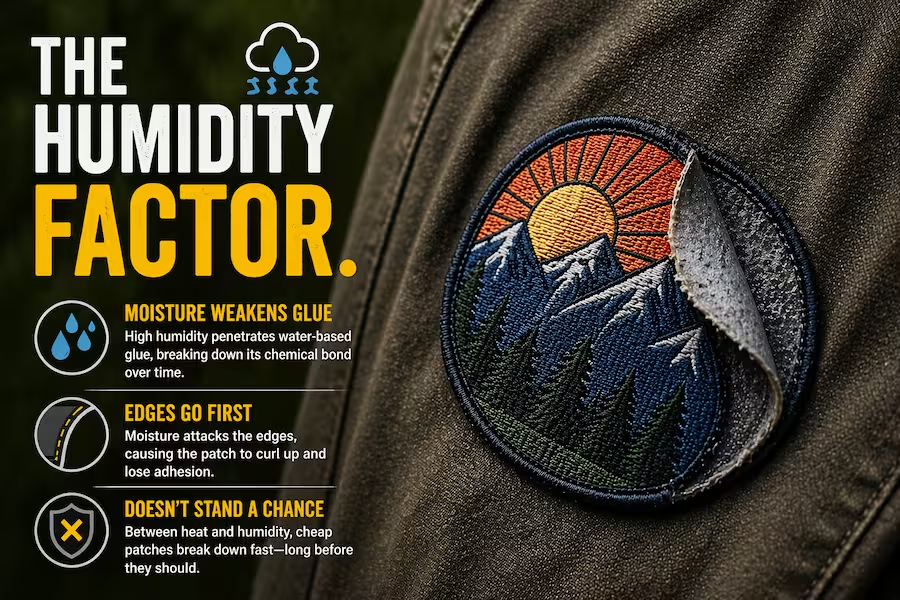
the humidity factor.
heat is not the only weather problem that destroys cheap patches. hot weather usually brings thick, heavy humidity. humidity is simply water floating in the air, and water is an absolute enemy to cheap adhesives.
many cheap iron-on patches use glue that is water-based. this means the glue naturally breaks down when it is exposed to moisture over a long period of time. when you wear your patched clothing outside in thick, humid air, that moisture slowly works its way into the edges of the patch.
over the course of a few weeks, the heavy moisture in the air starts to break down the chemical bond of the glue. the edges of the patch are always the first to go. they start to curl up and catch on things when you walk by. between the high heat softening the glue and the heavy humidity breaking it down, a cheap patch simply does not stand a chance outdoors.
the washing machine mistake.
even if you live in a cold climate with perfect weather, cheap patches will still fail if you do not wash them correctly. the laundry room destroys more patches than anything else.
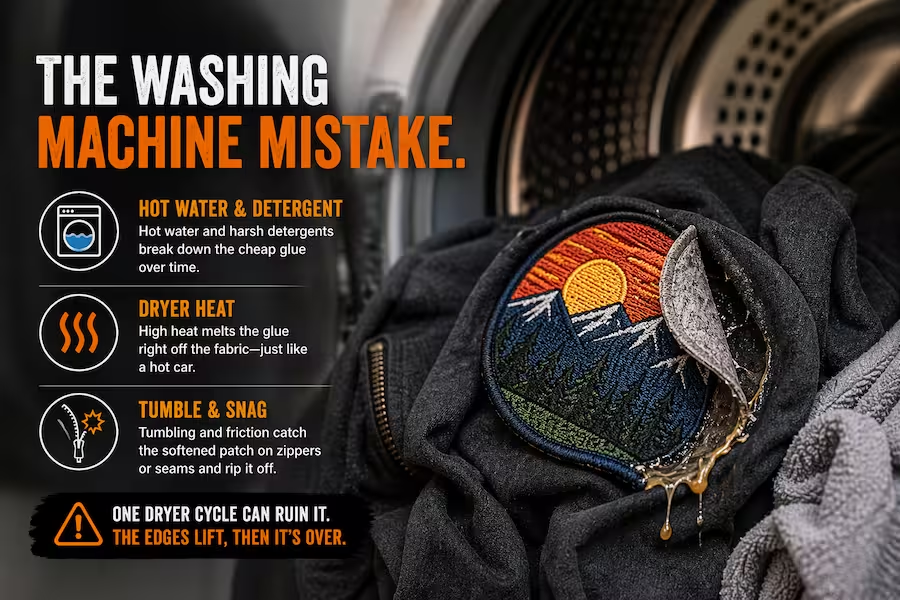
think about what happens inside your washing machine and clothes dryer. you are hitting the clothing with hot water, harsh laundry detergents, and high heat. if you wash your jacket in hot water, the heat and the soap will start to eat away at the cheap glue.
but the real damage happens in the dryer. a standard clothes dryer gets very hot to dry your clothes quickly. that high heat will do the exact same thing that a hot car does. it will melt the cheap glue right off the fabric. as the clothes tumble around inside the dryer, rubbing against other heavy wet clothes, the softened patch will catch on a zipper or a sleeve and get ripped right off. once the patch goes through a hot dryer cycle, the edges will start to lift, and the patch is ruined.
how to fix the peeling problem.
now that you know why cheap patches fall off, you need to know how to fix the problem. you do not have to stop using patches. you just need to change how you buy them and how you attach them. here are the two best solutions so you never have to worry about peeling patches again.
buy patches with high-heat glue.
the easiest way to avoid this problem is to stop buying cheap patches and invest in high-quality custom embroidered patches. Good patches use a much better type of glue on the back. this high-quality glue requires a much higher temperature to melt. because the melting point is so high, the summer sun, a hot car, or a standard clothes dryer will not be hot enough to soften it. when you buy patches made with high-heat glue, you have to press the iron down harder and longer to get them to stick in the first place. but once they cool down, that bond is incredibly strong. they will survive the summer heat without peeling.
sew the edges down.
if you want the ultimate fix, you need to stop relying on glue entirely. glue can always fail if the conditions are bad enough. thread will never fail. the best way to attach any patch is to use the iron-on glue just to get the patch in the exact right spot. the glue acts like a temporary pin to hold it steady. once the patch is glued down and cooled off, take a needle and thread and sew all the way around the edges. you can do this by hand or with a sewing machine. once the patch is sewn to the fabric, it is permanently attached. it will never fall off, no matter how hot the car gets, how humid the air is, or how many times you put it in the dryer.
frequently asked questions (faq).
can i re-iron a patch that is peeling off?
yes, you can try hitting the patch with a hot iron again to re-melt the glue and stick it back down. however, this is usually just a temporary fix. if the glue is cheap, or if it is old and dried out, it probably will not hold for very long. also, if dirt or lint got stuck to the glue while it was peeling, the iron will not be able to make a clean bond with the shirt. if your patch is peeling, the best and most permanent fix is to grab a needle and thread and sew it down.
does fabric glue work better than iron-on glue?
no. liquid fabric glue that you buy in a squeeze bottle at a craft store is usually much weaker than the solid glue on the back of a patch. fabric glue is messy, it takes a long time to dry, and it does not create a strong bond with heavy clothing. if you use liquid fabric glue, the patch will almost certainly wash out and fall off the very first time you put the shirt in the washing machine. stick to high-heat iron-on glue or sewing.
what fabrics are worst for iron-on patches?
smooth, waterproof fabrics are terrible for iron-on patches. For nylon jackets, raincoats, and windbreakers, you should sew on waterproof custom PVC patches instead. the iron-on glue needs rough fibers, like cotton or denim, to grab onto, which is why riders prefer to sew our custom motorcycle patches onto their vests. waterproof jackets are too smooth, so the glue just slides right off. even worse, the high heat of the iron will usually melt a hole right through a thin nylon jacket before the patch even has a chance to stick. for these types of fabrics, you must always sew the patch on.