
Custom Printed Patches Houston
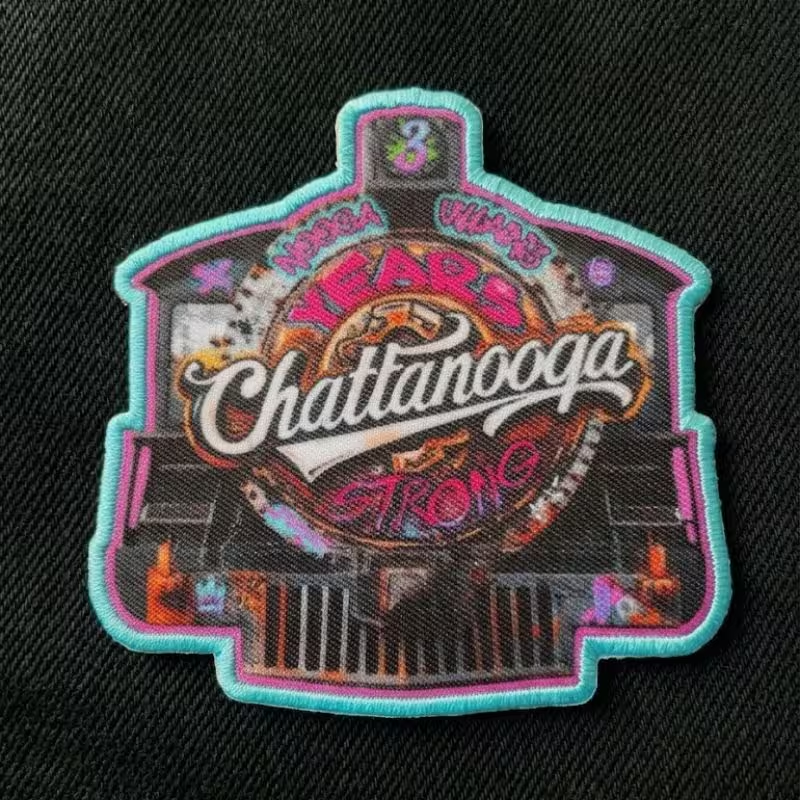
Pick up one of our custom printed patches. Feel the smooth, flat surface. We use a heavy 12oz twill substrate.
It feels solid in your hand. It is not a flimsy sticker. You get high-definition detail locked into industrial-grade fabric.
Get a free quote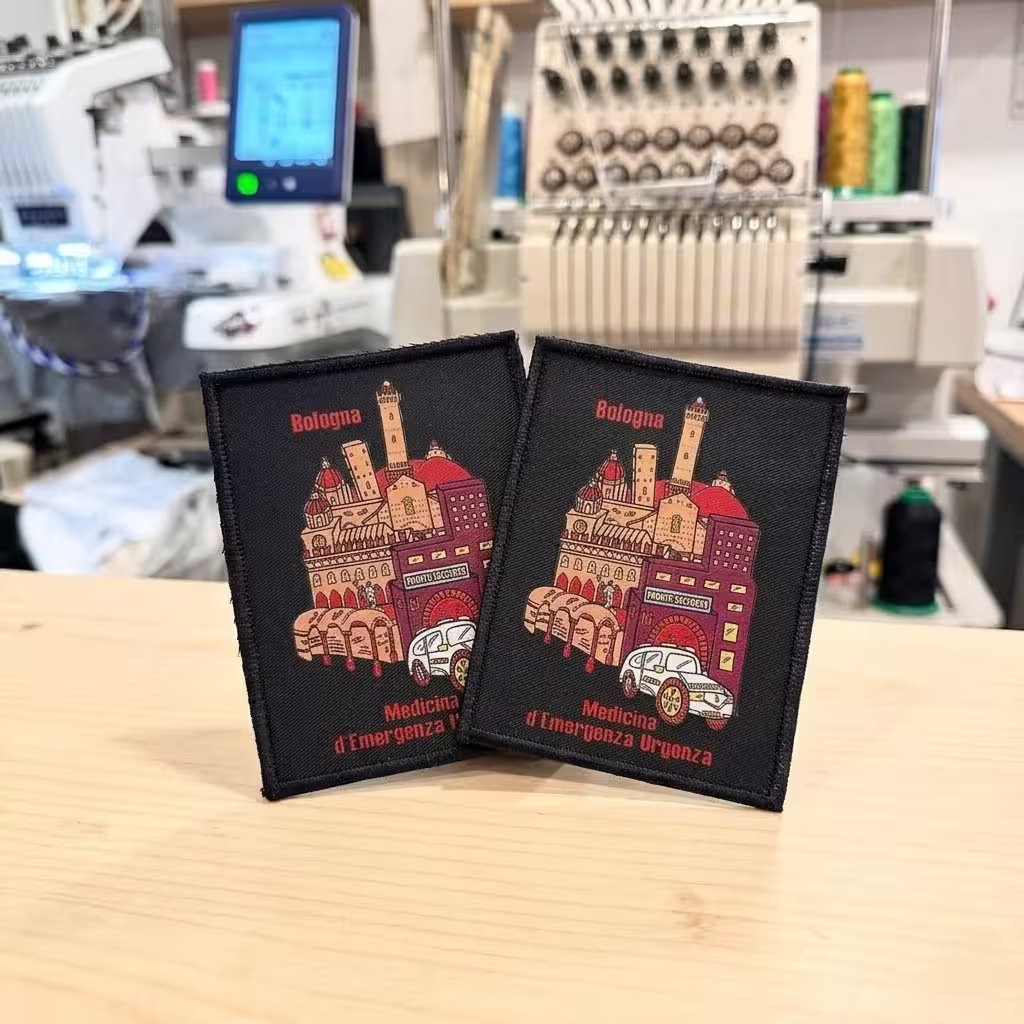
Trusted by Leading Organizations & Partners





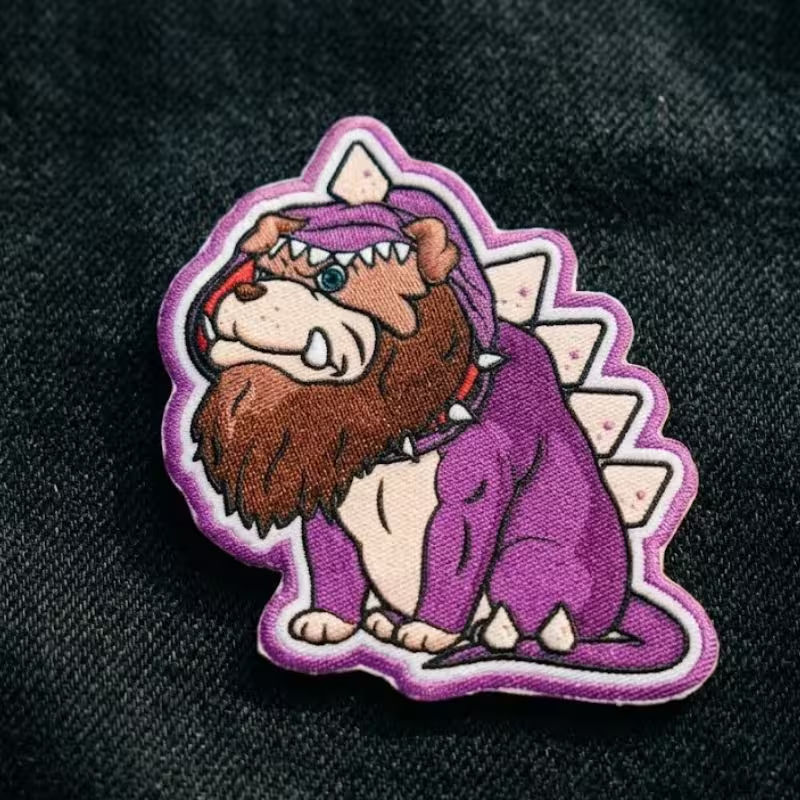
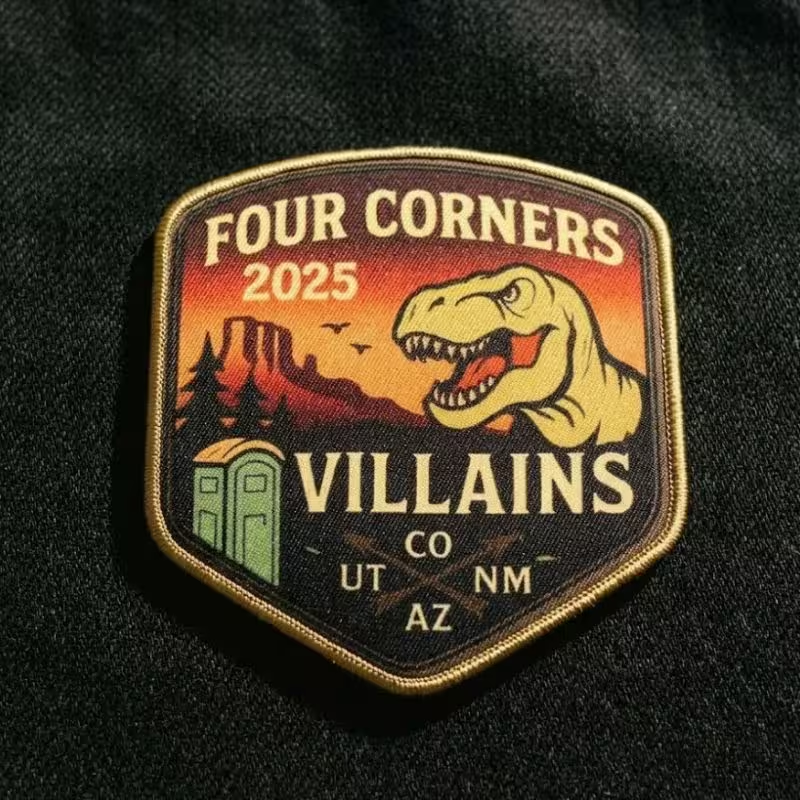
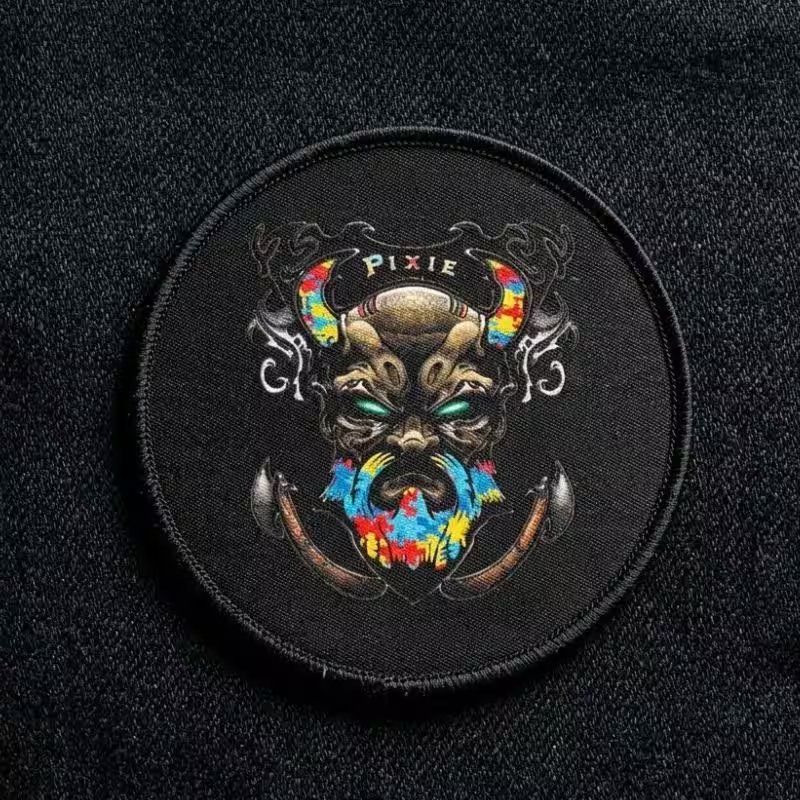
see our latest Printed patches runs made in houston.
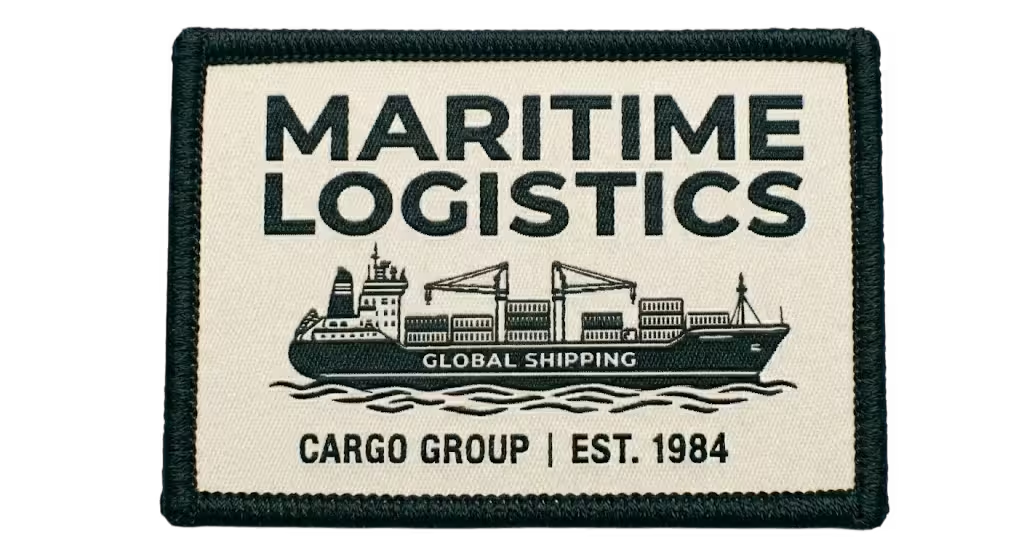
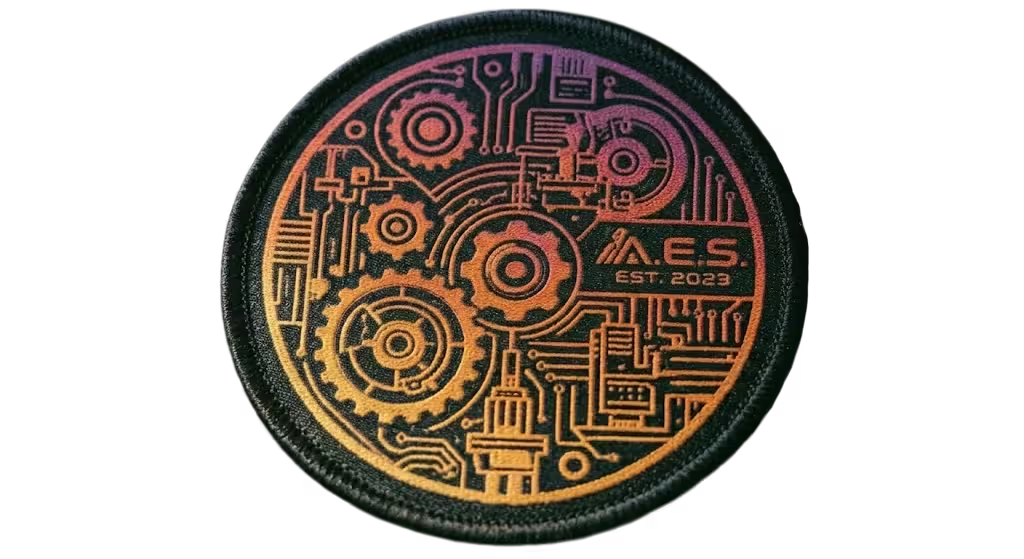
Every batch is run right here on the custom patches Houston shop floor. these recent runs for local brands show why printing wins: photographic detail, sharp gradients, and micro-text that traditional embroidery can’t hit. we bond uv-stable ink directly into 12oz twill substrates. they won’t crack in the heat, peel in the humidity, or fade on the job site. we build heavy-duty gear for brands who need it to last.
The Technical Difference
Cheap surface-printed patches fail fast down here. Leave an import in a hot F-150. The cheap ink cracks and peels off, similar to why cheap iron-on patches peel off.
Gulf Coast humidity destroys water-based inks. We use UV-stable sublimation inks. We use a gaseous dye-diffusion process. The ink permanently bonds to the fabric. It survives 100-degree Texas heat.
customize your printed patches
You need the right specs for the job. We build patches to stick, grab, or sew tight.
printed patch border options

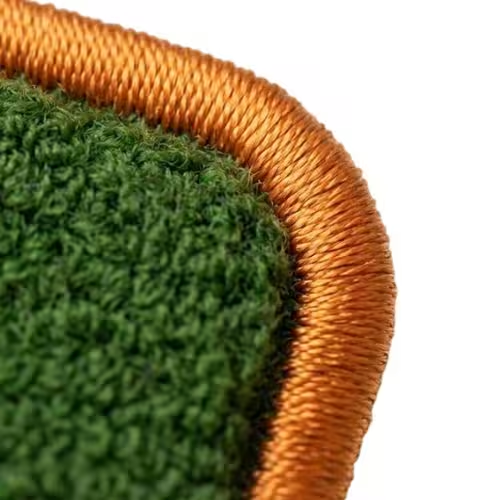
traditional merrowed borders
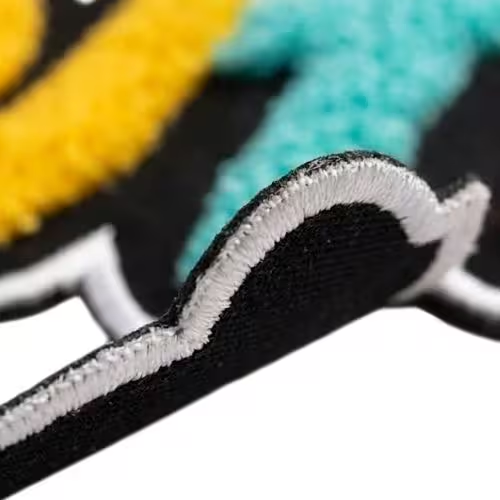
laser-cut borders
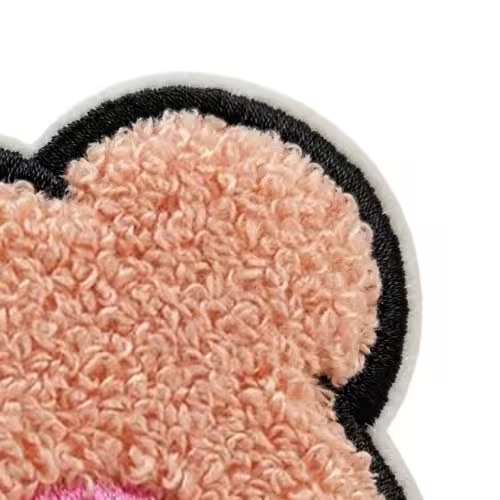
hybrid embroidered borders
printed patch backing types
industrial iron-on (heat press) backing
hook & loop (velcro) backing
peel & stick adhesive backing
traditional sew-on backing
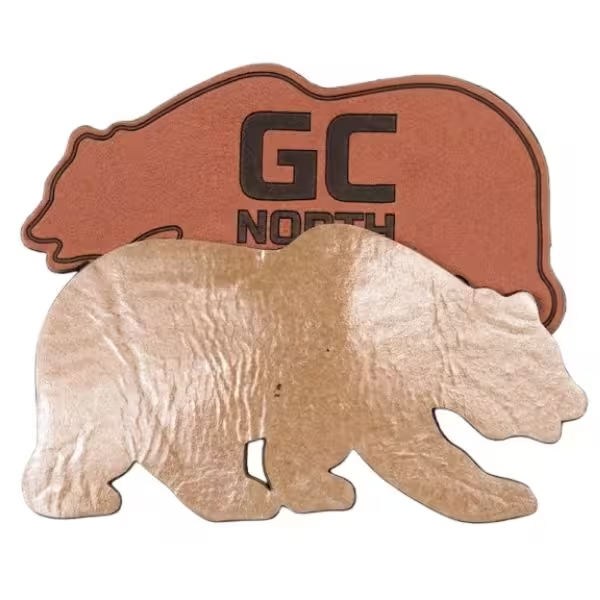
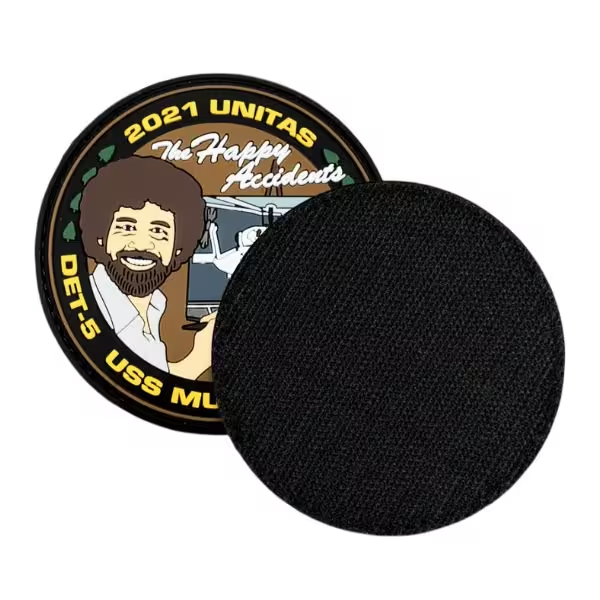
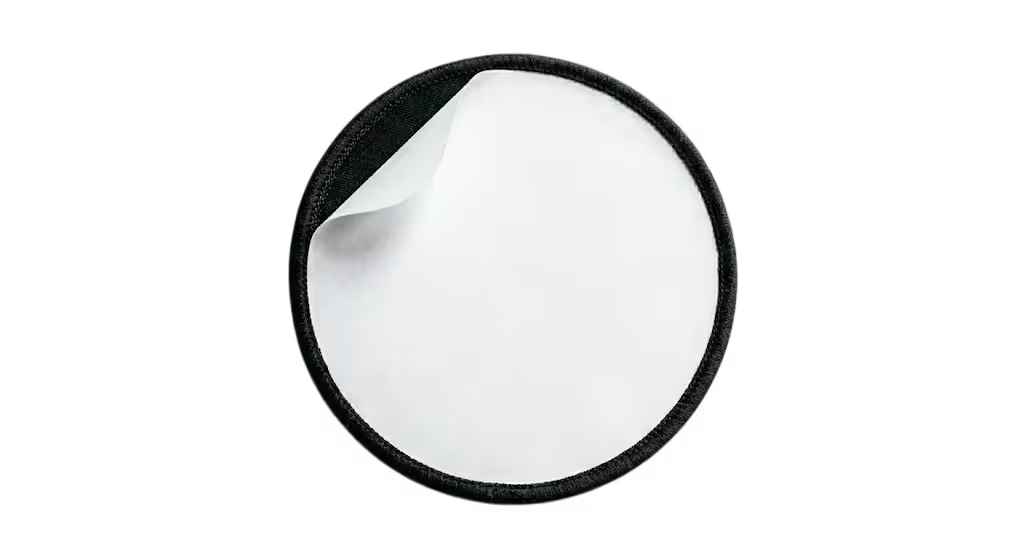
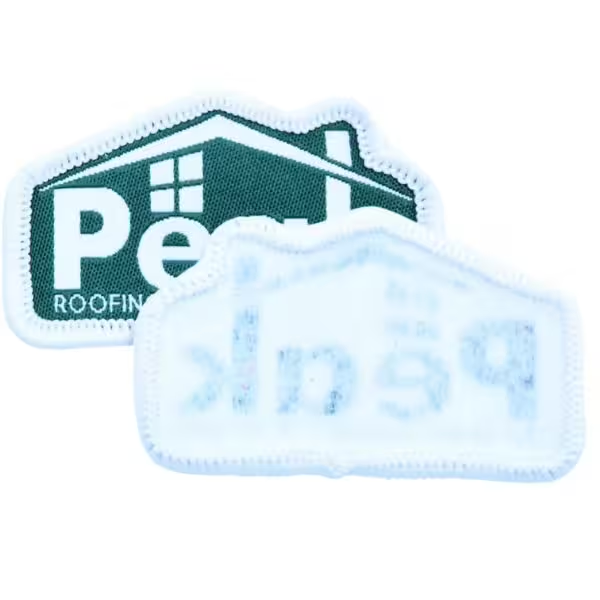
Material Specifications
We do not cut corners. Here is exactly what goes into our custom printed patches.
| Feature | Houston Industrial Spec | Why It Matters |
|---|---|---|
| Base Material | 12oz twill substrate | Stops the patch from warping under heavy use. |
| Ink Process | Gaseous dye-diffusion | Ink bonds to fabric and survives Gulf Coast humidity. |
| Adhesive | 320-degree melting point | Survives 100-degree Texas heat inside parked trucks. |
| Structure | Stiff buckram core | Keeps the patch flat and rigid against the garment. |
Our Industrial Tech Stack
Multi-head Tajima Machines
We run heavy-duty Tajimas for your borders. They punch right through the 12oz twill substrate. They never skip a single beat.
Manual PXF Digitizing
Auto-digitizing is garbage. We map every edge stitch by hand. This locks the printed patch down tight.
Exact Pantone Matching
Your brand colors matter. We use CMYK color gamut mapping at 300 DPI (Dots Per Inch). We hit your exact Pantone codes every time.
Who We Serve in Texas
Port of Houston Logistics
Trucking companies need custom logistics and workwear patches that last. Our patches survive daily abuse on Beltway 8. The UV-stable ink will not fade in the sun.
Energy Corridor Corporations
Oil companies need bulk dye-sublimated patches Houston tough. We do full-color photorealistic patch printing Texas companies use for corporate event insignia.
Texas Medical Center
Hospitals need clean, readable custom medical scrub patches. We print complex logos with tiny text. They survive heavy industrial washing.

how to order custom printed patches
Submit Vector Art & Get Quote:
Send us your art and specs.
Approve Digital Proof:
We send a digital mockup. You approve the layout.
Production & Shipping:
We run the machines. We ship your order fast.
why choose custom patches houston?
industrial-grade dye sublimation
We use a gaseous dye-diffusion process. The ink permanently bonds to the fabric. It does not sit on the surface.
fast turnaround & reliable shipping
We run shifts day and night. We ship fast across Texas. You get your gear on time.
strict quality control
We inspect every single patch. If we mess up the print, we fix it. Period.
how to apply & care for your printed patches
heat press & iron-on application instructions
Set your press to 320 degrees. Apply firm pressure for 15 seconds. Let the glue cure completely before moving the garment.
washability & uv resistance guidelines
Wash workwear in cold water. Hang it up to dry. Our UV-stable sublimation inks will not fade or crack.
technical design guide.
vector files are king.
We prefer vector art. Follow our guide on how to prepare your logo and send us .ai, .eps, or .pdf files. Vector art allows us to scale your logo to any size without losing sharpness. If you only have a raster image (like a .jpg or .png), it must be 300 DPI minimum. 72 DPI web images will look blurry when printed on fabric.
cmyk color gamut.
We print using the CMYK color process. Computer screens show colors in RGB (light), but fabric ink uses CMYK (pigment). For the most accurate brand match, provide your Pantone (PMS) codes. We map your colors to ensure the patch matches your fleet uniforms exactly.
the 2mm bleed zone.
Keep all important text and logos at least 2mm away from the edge. This “safety zone” ensures that our industrial lasers or merrowing machines don’t cut into your design during the finishing process.
transparency and gradients.
Unlike embroidery, printed patches can handle drop shadows, glows, and complex color fades. If your logo has a “glow” effect, ensure the file has a transparent background so the ink blends perfectly into the 12oz twill substrate.
frequently asked questions (faq)
what are custom printed patches made of?
We print UV-stable sublimation ink directly into a heavy 12oz twill substrate. We back it with a stiff buckram core. This keeps the patch rigid and durable.
will the ink fade or bleed over time?
No, the gaseous dye-diffusion process locks the ink permanently into the fabric fibers. Gulf Coast humidity will not ruin it. It survives heavy industrial washing.
can i combine printing with traditional embroidery?
Yes, we print the fine details and stitch traditional embroidery over the top. This gives you photographic gradients and classic thread texture. It is a true hybrid patch.
what is the minimum order quantity for printed patches?
We require a minimum order of 50 patches for custom printed designs. This covers the setup time for the CMYK color gamut mapping. We handle massive bulk orders too.
can printed patches be fire-retardant?
Yes, but with a specific technical setup. While the printed polyester substrate is not naturally FR, we use Nomex® FR thread for the embroidered borders. This allows the patch to meet safety compliance for refinery and field work in the Energy Corridor. Always choose “sew-on” for FR gear to avoid damaging the garment’s protective coating with a heat press.
what is the smallest legible font size?
This is the biggest advantage of printing. We can print legible text as small as 4pt. For comparison, traditional embroidery requires at least 10pt to remain readable. If your logo has tiny legal text or complex Ship Channel logistics data, printing is the only way to go.
do you offer rush orders for the ship channel?
We understand that logistics moves fast on Beltway 8. We offer 24-48 hour digital strike-offs (photo proofs). Once approved, we move straight into production. If you have a hard deadline for a vessel launch or a corporate event, tell us your “in-hand” date and we will pull the shift to make it happen.
what is the difference between printed and “sublimated” patches?
They are the same thing. “Dye-sublimation” is the technical name for the process where ink turns into a gas and bonds with the fabric. We call them printed patches because it’s simpler, but the industrial result is a permanent, fade-proof bond.