
pvc vs. embroidered patches: which one is right for your gear?
choosing between pvc and embroidery is the biggest decision you will make when ordering custom patches. one is made of classic thread, and the other is made of tough rubber. if you choose the wrong material, your patches might get ruined in the rain or look completely out of place on your uniforms. this guide from Houston Patch Co. will help you understand the difference so you can pick the perfect patch for your gear.
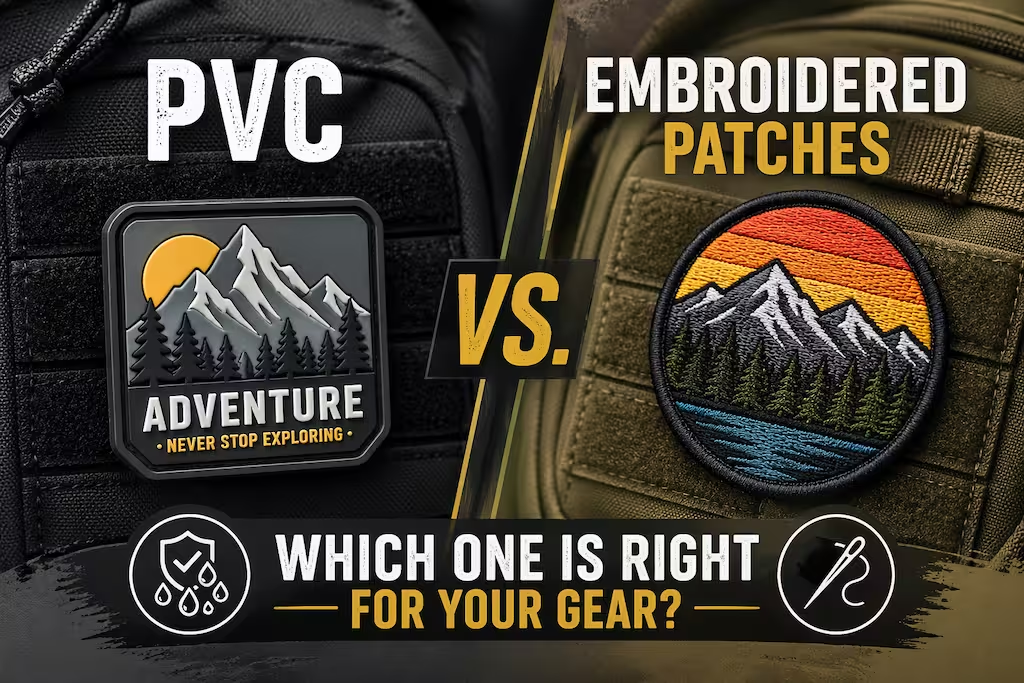
the battle of rubber vs. thread.
the difference between these two patches comes down to how they are made.
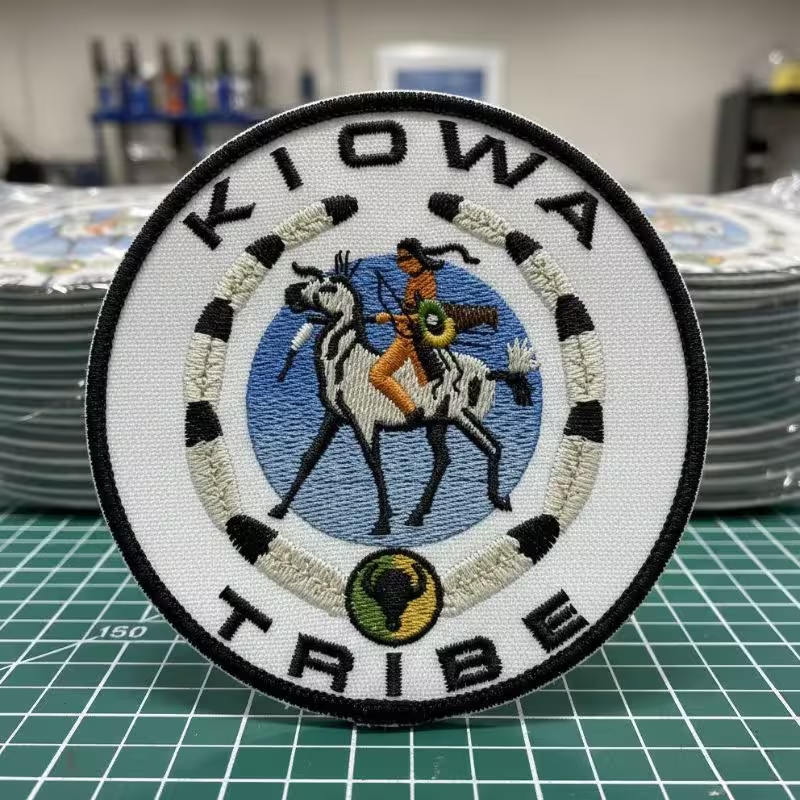
our custom embroidered patches are made by sewing hundreds of tiny threads together to create your logo or picture.
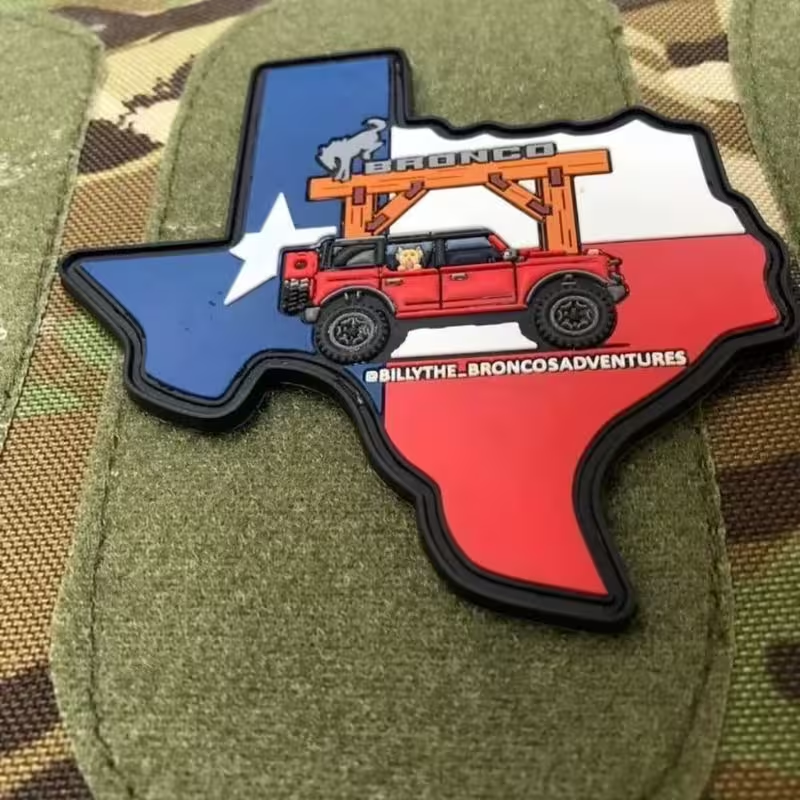
our PVC patches are completely different. they are made by pouring liquid rubber into a custom mold and letting it cool into a solid, flexible piece.
embroidered patches: the classic look.
embroidered patches have been around for a long time, and they are still the most popular choice for many businesses.
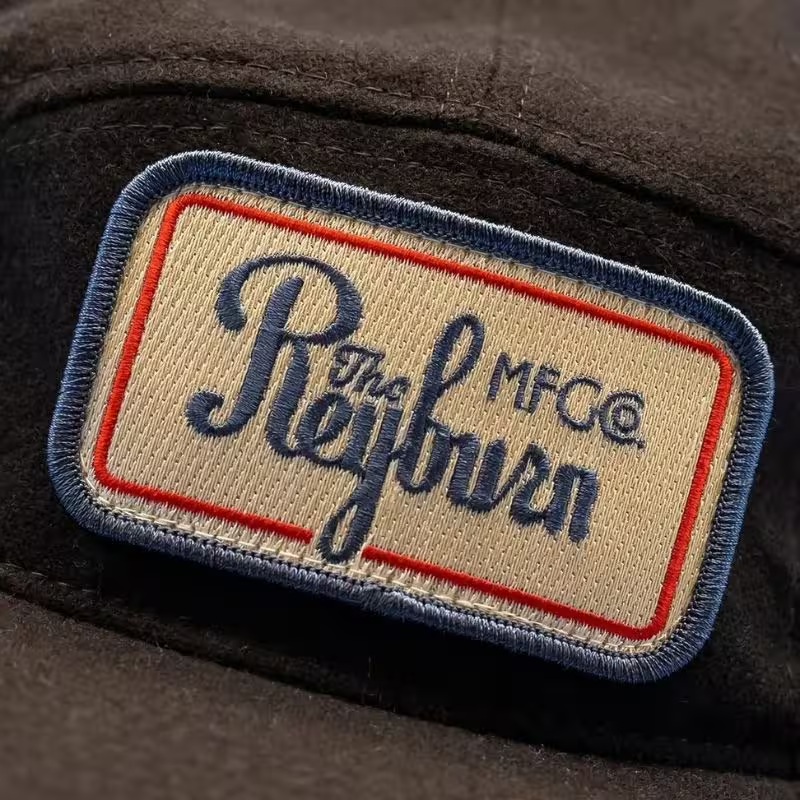
the good:
they look professional, traditional, and classic. this makes them perfect for detailed logos on standard uniforms, hats, and jackets. because they are made of thread and fabric, they are very flexible and bend easily with your clothing as you move.
the bad:
because they are made of thread, they absorb water. if an embroidered patch gets covered in mud or grease, the thread will stain. once dirt gets trapped in the tiny threads, it is very hard to wash out, and the patch might never look perfectly clean again.
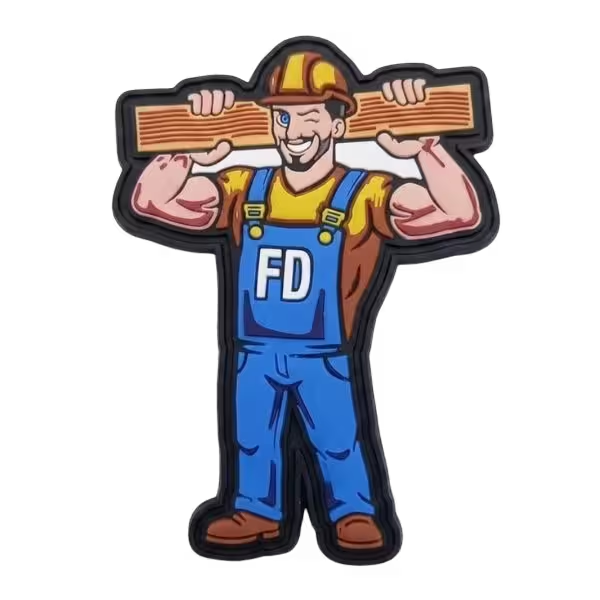
pvc patches: the waterproof shield.
pvc patches are the modern, heavy-duty alternative to thread.
the good:
they are completely waterproof. they have a cool, modern 3d look that makes your logo pop out. the colors are mixed right into the rubber, so they never fade. plus, because there are no threads, a pvc patch will never fray or unravel at the edges.
the bad:
rubber is slightly thicker and heavier than a thread patch. also, because the liquid rubber needs room to flow into the mold, pvc cannot capture tiny, microscopic details as well as custom woven patches or printed options can.
which one survives houston humidity and rain?
the gulf coast is famous for heavy rain and thick humidity. if you work outside, the weather will test your gear. if a thread patch gets soaked in a rainstorm, it stays wet for hours. if it does not dry properly, the cotton backing can start to smell or even rot over time.
a pvc patch does not care about the rain. water literally bounces right off the rubber. if you need a patch that survives wet weather and thick humidity, pvc is the clear winner.
cleaning mud and grease: the wipe test.
if you work in a dirty environment, you need to know how easy it is to clean your patches. if you drop an embroidered patch in the mud, you have to put the whole jacket in the washing machine and hope the stain comes out of the thread.
if you drop a pvc patch in the mud, or spill dark grease on it, you do not need a washing machine. you just wipe it off with a wet rag or a paper towel. it looks brand new in three seconds. this is why so many logistics and workwear professionals prefer rubber over thread.
how to choose for your team.
still not sure which one to pick? use this simple cheat sheet to make your decision.
choose embroidery if:
you work indoors, you want a classic corporate look, or you are putting the patches on lightweight polo shirts and everyday hats.
choose pvc if:
you work outside in the rain, you deal with mud or grease, or you are putting the patches on heavy jackets, backpacks, and tactical gear.
frequently asked questions (faq).
are pvc patches more expensive than embroidered patches?
yes, pvc patches usually cost a little more upfront. this is because we have to carve a custom metal mold to pour the rubber into. however, because they do not stain or fray, they last much longer outdoors, which can save you money over time.
can i iron on a pvc patch?
no. you cannot use a hot iron on a rubber patch (which is a primary reason why cheap iron-on patches peel off or melt under high heat). and ruin the patch. pvc patches must be sewn onto your clothing or attached using a velcro backing, as detailed in our patch backing guide.
do the colors on pvc patches fade in the sun?
no. the color is mixed directly into the liquid rubber before it is poured into the mold. because the color goes all the way through the material, it will not fade or bleach in the sun like cheap thread can.